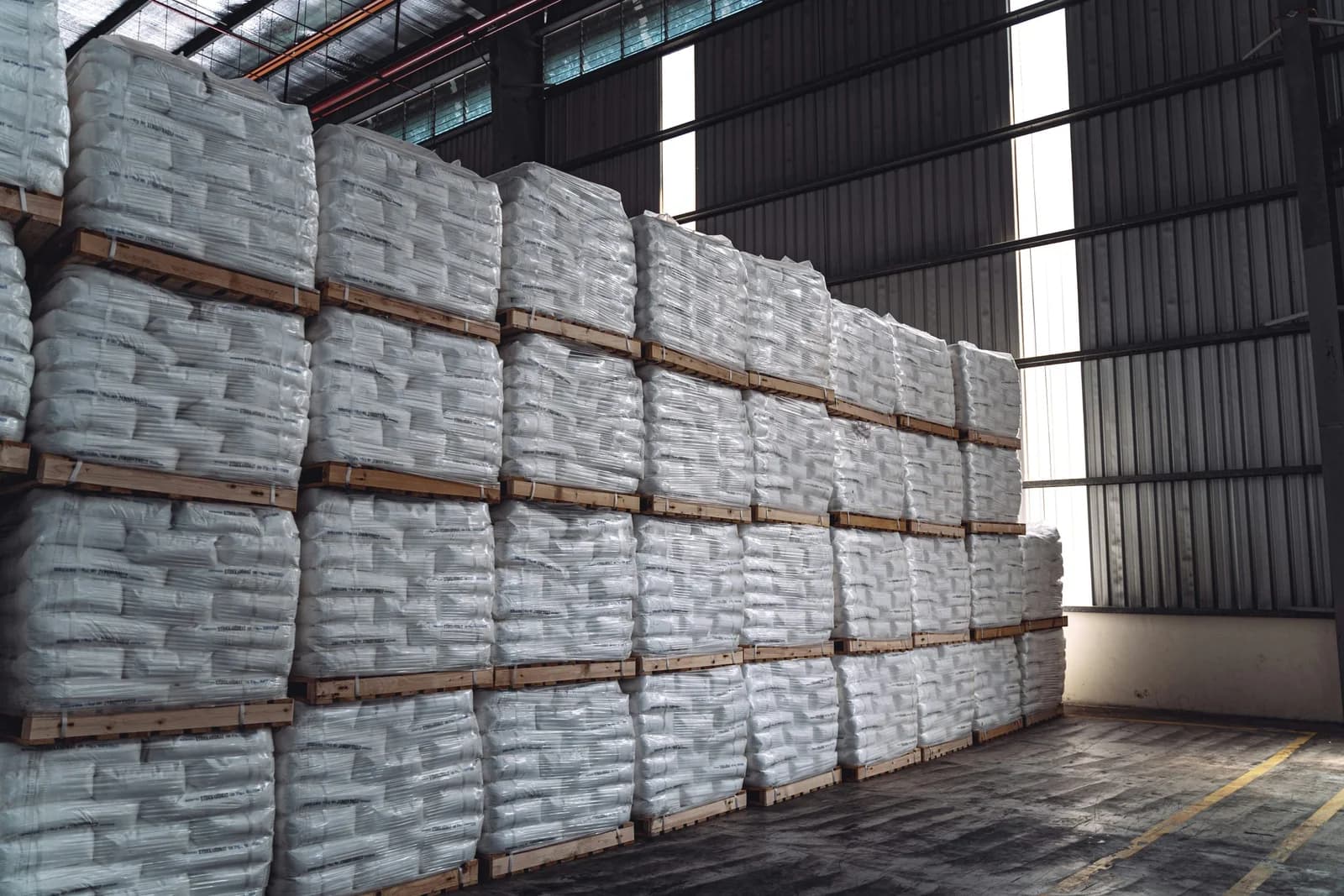
For many operations, pallet inventory is treated as background supply, something that’s “always there” until suddenly it isn’t. A few weeks of higher outbound volume, an unexpected delay in delivery, or untracked pallet loss can quickly turn into shortages, rush orders, and unnecessary spend.
The reality is simple: if you don’t measure your pallet inventory, you can’t control it.
For warehouses, manufacturers, 3PLs, and distribution centers, pallet inventory management directly impacts shipping schedules, freight costs, labor efficiency, and even safety. This guide explains how to accurately measure what you have, identify what you’re losing, and close the operational gaps that create recurring pallet problems.
Why Pallet Inventory Gets Overlooked
Pallets are often viewed as low-cost, replaceable items. But in high-volume environments, they function as reusable assets that move constantly between:
- Inbound freight
- Outbound shipments
- Customer sites
- Carrier networks
- Yard storage
- Recycling streams
Without tracking, pallets quietly disappear or accumulate in the wrong places. The result is unpredictable inventory levels and rising replacement costs.
Step 1: Measure What You Have (Current Inventory Baseline)
Before solving pallet shortages or shrinkage, you need a clear starting point.
Conduct a Physical Count
Start with a structured pallet inventory count:
- Count by pallet type (48×40 recycled, new, heavy duty, heat-treated, etc.)
- Separate usable, repairable, and scrap pallets
- Identify pallets staged at docks vs yard storage
- Record counts by location if you operate multiple facilities
Avoid rough estimates. A true physical count establishes your baseline.
Categorize by Grade and Condition
Not all pallets in your yard are equal. Separate inventory into categories:
- Ready-to-ship usable pallets
- Repairable pallets
- Scrap or broken pallets
- Specialty or customer-specific pallets
If you lump everything together, your usable inventory will appear higher than it actually is.
Step 2: Measure What You Use (Consumption Rate)
Once you know what you have, determine how quickly pallets move through your operation.
Track:
- Average pallets used per day
- Weekly outbound pallet volume
- Seasonal spikes
- Inbound pallet receipts
For example:
If you ship 1,000 pallets per week and maintain 2,000 pallets onsite, your buffer is roughly two weeks, assuming no shrinkage.
Understanding your consumption rate allows you to set proper reorder points and avoid emergency buying.
Step 3: Measure What You Lose (Shrink and Disappearance)
Pallet loss rarely happens all at once. It accumulates slowly through:
- Customer sites failing to return pallets
- Carriers mixing or misplacing pallets
- Yard scrap contamination
- Damage during handling
- Lack of retrieval programs
How to Calculate Shrink
A simple formula:
Pallets Purchased + Pallets Received – Pallets On Hand = Potential Loss
If your purchasing volume consistently exceeds usage needs, loss is likely occurring.
Track shrink by:
- Customer account
- Carrier
- Facility
- Shipping lane
Patterns will emerge quickly when measured consistently.
Step 4: Identify Where the Gaps Are
Once you measure inventory and shrinkage, gaps become visible.
Common gaps include:
1. Reorder Timing Gaps
Inventory dips too low before replenishment is triggered.
Solution:
- Establish minimum pallet levels
- Create automatic reorder thresholds
2. Retrieval Gaps
Pallets leave your facility but aren’t systematically returned.
Solution:
- Implement a pallet retrieval program
- Schedule pickup from customer sites
- Clarify return agreements
3. Yard Management Gaps
Usable pallets get mixed with scrap.
Solution:
- Clearly mark pallet zones
- Separate scrap immediately
- Conduct routine yard inspections
4. Multi-Location Imbalance
One facility overstocks while another runs short.
Solution:
- Centralize pallet inventory visibility
- Transfer pallets between sites when possible
- Standardize pallet types across locations
Step 5: Establish Minimum and Maximum Inventory Levels
A structured pallet inventory program includes:
- Minimum level (reorder point)
- Maximum level (avoid overstock)
Example:
If weekly usage is 1,000 pallets and delivery lead time is 5 days, your minimum threshold should reflect at least one week of usage plus buffer.
This prevents:
- Emergency buying
- Dock slowdowns
- Rush freight costs
Scheduled pallet deliveries often stabilize inventory levels and eliminate last-minute ordering.
Step 6: Track Key Pallet Inventory Metrics
Strong pallet inventory control relies on measurable KPIs.
Track:
- Pallet usage per week
- Shrink rate (%)
- Cost per pallet delivered
- Emergency order frequency
- Repair rate vs replacement rate
- Return percentage from customer sites
When metrics are reviewed monthly or quarterly, problems surface before they become expensive.
Step 7: Align Inventory With Recycling and Pickup Programs
Excess scrap pallets distort inventory counts and consume yard space.
A structured pickup or recycling program:
- Removes broken pallets consistently
- Improves visibility of usable inventory
- Reduces disposal costs
- Supports sustainability initiatives
Inventory accuracy improves when scrap is removed regularly.
Multi-Site Operations: Centralized Pallet Inventory Control
For companies with multiple facilities, pallet inventory issues multiply quickly.
Without centralized visibility, sites may:
- Buy pallets unnecessarily
- Hoard excess inventory
- Experience uneven shrink rates
- Use inconsistent grades
Centralizing purchasing and reporting improves:
- Cost control
- Standardization
- Negotiating leverage
- Supply stability
Enterprise-level pallet inventory management prevents surprises across regions.
The Real Goal of Pallet Inventory Control
Pallet inventory management isn’t about counting stacks for the sake of it. It’s about:
- Preventing downtime
- Avoiding emergency purchases
- Reducing shrink
- Stabilizing procurement budgets
- Improving warehouse flow
- Supporting sustainability goals
When pallet inventory is measured and managed intentionally, it becomes predictable, not reactive.
If you don’t measure your pallet inventory, you’re guessing. And guessing leads to shortages, overspending, and inefficiencies.
By tracking:
- What you have
- What you use
- What you lose
- Where the gaps occur
You gain control over one of the most overlooked yet operationally critical assets in your supply chain.
A structured pallet inventory program transforms pallets from a recurring problem into a managed, measurable system that supports smooth warehouse operations.
Contact The Pallet Squad
If you need help building a reliable pallet inventory program, including delivery, pickup, recycling, and replenishment, contact The Pallet Squad to create a supply system that keeps your operation stocked and on schedule.