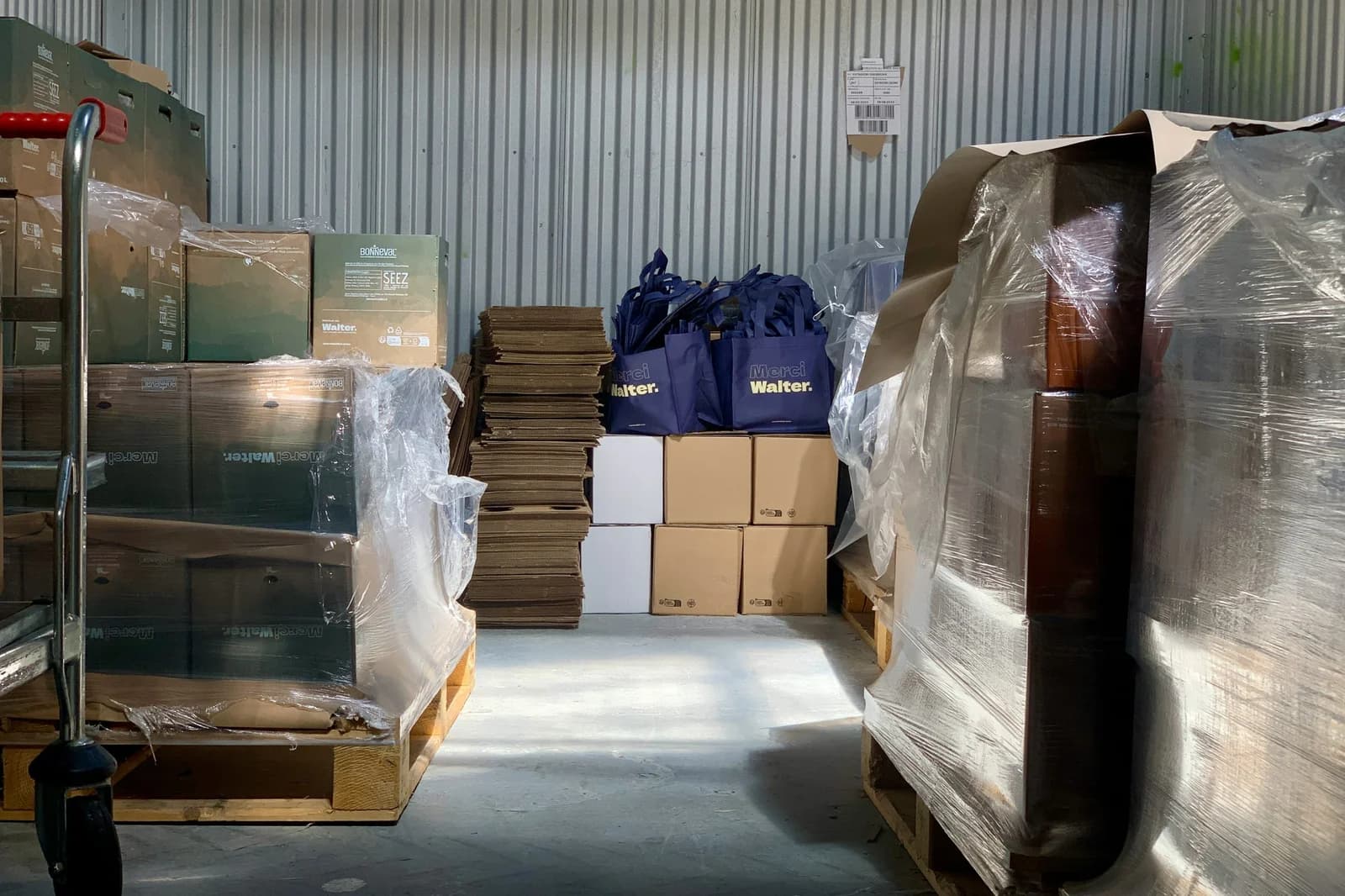
Furniture shipping presents unique logistical challenges. Unlike boxed consumer goods, furniture is often oversized, irregularly shaped, high-value, and vulnerable to cosmetic damage. One unstable lift, one cracked deck board, or one poorly supported overhang can result in dents, scratches, broken joints, or an expensive freight claim.
That’s why choosing the right pallets for furniture shipping is critical. The pallet is more than a base, it’s a structural support system that protects furniture through staging, handling, long-haul transport, and final delivery.
In this guide, we’ll break down how proper pallet selection reduces damage, improves stability, and lowers freight claims for furniture manufacturers, distributors, and retailers.
Why Furniture Loads Fail in Transit
Before selecting pallets, it’s important to understand why furniture shipments are at risk.
Common causes of damage include:
- Overhang beyond pallet edges, leading to corner impact damage
- Uneven weight distribution, causing tipping or shifting
- Insufficient deck support, resulting in sagging under load
- Forklift impacts during repositioning
- Long-haul vibration, loosening joints and fasteners
- Multiple handling touches, especially in LTL shipments
Furniture often has a high center of gravity, delicate surfaces, and exposed edges. That means pallet strength and stability must be carefully matched to the product.
Key Features of Effective Pallets for Furniture Shipping
1. Proper Sizing to Eliminate Overhang
One of the most common mistakes in furniture shipping is placing oversized products on standard 48×40 pallets when the footprint doesn’t fit.
Overhang creates:
- Increased edge damage
- Load instability during turns
- Greater tipping risk
- Crushed corners during stacking
For many furniture loads, custom-sized wood pallets provide better protection by supporting the full product footprint.
2. Reinforced Construction for Heavy or Solid Wood Pieces
Furniture weights vary widely, from lightweight flat-pack pieces to heavy hardwood tables and assembled cabinets.
For heavier furniture:
- Thicker deck boards reduce cracking
- Reinforced stringers or block designs increase stability
- Tighter deck spacing supports concentrated weight points
Heavy-duty wood pallets prevent flexing during forklift lifts and reduce stress on furniture joints.
3. Full-Deck Designs for Better Surface Support
Furniture often rests on legs or narrow base rails. Open deck pallets may allow these support points to sink or shift under pressure.
A full-deck pallet design helps:
- Distribute weight evenly
- Reduce pressure points
- Protect delicate finishes
- Improve load stability during vibration
This is especially important for finished goods where cosmetic damage leads to immediate rejection.
4. Four-Way Entry for Safer Handling
Furniture shipments are frequently repositioned during:
- Warehouse staging
- Cross-docking
- Retail distribution
- Final-mile loading
Pallets with four-way forklift entry reduce awkward handling and lower the chance of fork damage to product bases.
Block pallets or properly notched stringer pallets provide improved handling flexibility, especially in high-traffic warehouse environments.
Reducing Freight Claims in LTL and Long-Haul Shipping
Furniture is commonly shipped LTL (less-than-truckload), which increases handling frequency and damage risk.
To reduce freight claims:
- Use pallets that exceed dynamic load requirements
- Secure furniture tightly with strapping and protective corner boards
- Add blocking to prevent lateral movement
- Avoid under-spec’d recycled pallets for high-value shipments
Long-haul vibration can amplify small weaknesses. A pallet that flexes repeatedly increases strain on fasteners, legs, and structural joints.
Stronger pallets reduce cumulative stress.
Securement Matters as Much as Pallet Design
Even the best pallets for furniture shipping require proper load securement.
Best practices include:
- Strapping over structural points, not decorative surfaces
- Edge protection to prevent strap marks
- Stretch wrap for added containment, especially for boxed furniture
- Foam or corner protection for finished goods
The goal is to create a single stable shipping unit, where the pallet and furniture move together, not independently.
Managing Mixed Furniture Shipments in Distribution
Furniture distributors often ship mixed loads:
- Sofas
- Dining tables
- Mattresses
- Cabinets
- Shelving units
Each category may require different pallet specs. Standardizing too aggressively can increase damage risk, while excessive variation creates inventory chaos.
The solution is typically:
- Standard pallets for boxed or uniform items
- Reinforced or custom pallets for oversized pieces
- Clear labeling and separation in staging areas
This balance keeps operations efficient without sacrificing protection.
Sustainability Considerations in Furniture Pallet Programs
Furniture brands increasingly prioritize sustainability. Wood pallets support these goals through:
- Repairability and reuse
- Recycling at end of life
- Reduced landfill disposal
- Closed-loop pickup programs
A structured pallet recycling and pickup system also keeps distribution yards clean and reduces disposal costs.
Multi-Location Furniture Operations Need Consistency
If you operate multiple distribution centers, inconsistent pallet specs create:
- Uneven damage rates
- Freight performance variability
- Increased administrative complexity
- Confusion in warehouse training
Standardizing pallet requirements across locations improves performance, lowers claim frequency, and stabilizes procurement costs.
Furniture shipping demands more than basic pallets. Oversized dimensions, high value, and cosmetic sensitivity make pallet selection a critical part of the logistics strategy.
The right pallets for furniture shipping provide:
- Proper footprint support
- Reinforced structural strength
- Reduced flex and tipping risk
- Safer handling during repeated touches
- Lower freight claim rates
When pallet design aligns with furniture load requirements, you protect both product and profit.
Contact The Pallet Squad
If you need reliable pallets for furniture shipping that protect oversized loads and reduce freight damage risk, contact The Pallet Squad for durable wood pallet solutions, delivery, and pickup programs designed for high-volume distribution operations.