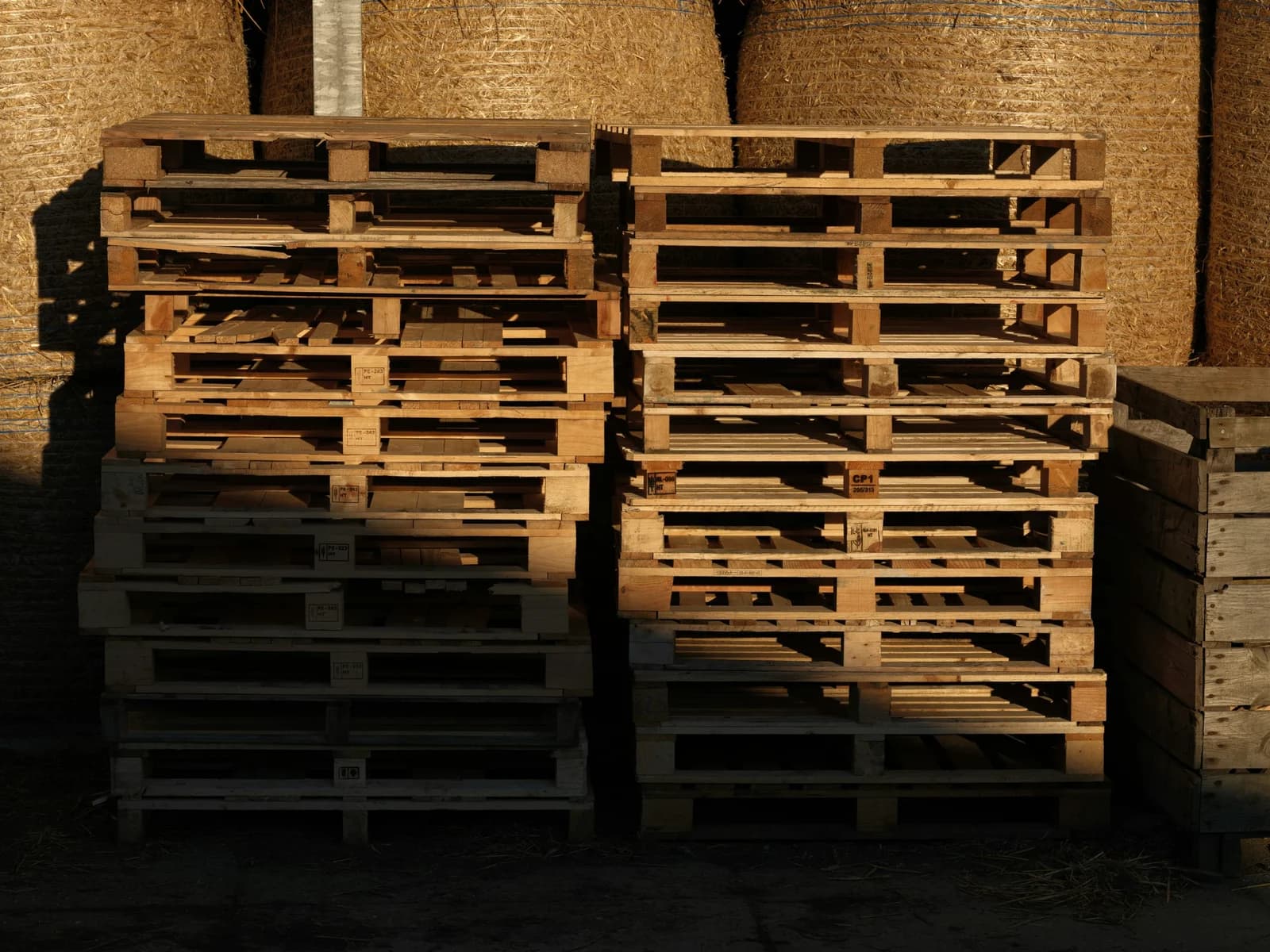
When companies buy pallets, they often focus on one thing first: price. But price alone rarely tells the full story. Two pallet loads may look similar on paper, yet perform very differently once they hit the dock, enter racking, or move through freight. That difference usually comes down to wood pallet grades.
Understanding pallet grades helps operations managers make smarter buying decisions, reduce damage risk, and avoid overpaying for strength or consistency they may not actually need. It also helps procurement teams compare suppliers more accurately, especially when pallet quality can vary from one market or yard to another.
This guide breaks down the three most common categories buyers see: Grade A, Grade B, and new wood pallets, and explains how each affects cost, structural performance, and day-to-day operational reliability.
Why Wood Pallet Grades Matter
A pallet grade is not just a label. It affects how a pallet performs in real warehouse and shipping conditions.
The grade you choose can influence:
- Load stability
- Product damage rates
- Forklift handling performance
- Racking safety
- Freight claims
- Delivery consistency
- Total pallet spend over time
Choosing the wrong grade can create one of two problems:
- Overbuying — paying for a higher-grade pallet than the job actually requires
- Underspecifying — using a weaker pallet that increases breakage, rework, and load failure risk
That is why understanding wood pallet grades is one of the most practical ways to improve both cost control and operational performance.
An Important Note Before Comparing Grades
Not every supplier uses exactly the same grading definitions.
In most markets, Grade A, Grade B, and new pallets follow similar general expectations, but the specific condition of a recycled pallet can still vary by supplier. That means buyers should always confirm grade standards in writing instead of assuming every yard defines them the same way.
The smartest buyers do not just ask for “Grade A.” They ask what that supplier specifically means by it.
What Are New Wood Pallets?
New wood pallets are built from new lumber and have never been used in a shipping cycle.
Typical characteristics of new pallets
- Uniform in appearance
- No prior repairs
- Consistent dimensions
- Strong structural integrity
- Built to exact specifications
- Often preferred for export, automation, or high-value loads
When new pallets make the most sense
New pallets are usually the best choice when you need:
- Maximum consistency
- Clean presentation
- Custom dimensions or builds
- Export-ready or heat-treated options
- Reliable performance for fragile or high-value freight
Tradeoff
The biggest downside is cost. New pallets generally come at the highest price point, especially when lumber markets tighten.
For many operations, new pallets are the right answer, but not for every load.
What Are Grade A Wood Pallets?
Grade A pallets are typically recycled pallets in very good condition. They are often repaired to a higher visual and structural standard and are commonly used when buyers want strong performance without paying full new-pallet pricing.
Typical characteristics of Grade A pallets
- Structurally sound and ready for reuse
- Minimal visible damage
- Better cosmetic appearance than lower recycled grades
- Repaired boards are usually clean and well-matched
- More consistent than Grade B pallets
When Grade A pallets make sense
Grade A pallets are often the best fit for:
- Standard outbound shipping
- Retail and consumer packaged goods
- Operations that want a lower cost than new but still need dependable quality
- Loads where appearance matters somewhat, but not enough to require brand-new pallets
Tradeoff
Grade A pallets usually cost less than new, but more than Grade B. They offer a middle ground: good strength, good consistency, and moderate cost.
For many distribution operations, Grade A is the “sweet spot” between budget and performance.
What Are Grade B Wood Pallets?
Grade B pallets are recycled pallets with more visible wear and repair history than Grade A pallets. They are still usable, but they are typically less consistent in appearance and sometimes in board mix.
Typical characteristics of Grade B pallets
- Repaired and structurally usable
- More visible wear, discoloration, or mismatched boards
- Greater cosmetic variation from pallet to pallet
- Lower cost than Grade A or new
- Often used in high-volume domestic shipping environments
When Grade B pallets make sense
Grade B pallets are often a good fit for:
- Cost-controlled outbound operations
- Domestic freight where appearance is not important
- Internal movements or warehouse transfers
- Loads that do not require premium cosmetic presentation
Tradeoff
The main tradeoff is consistency. Grade B pallets can still perform well, but they may vary more from load to load. If your operation is highly sensitive to pallet uniformity, automation, or presentation, Grade B may create more variability than you want.
Still, for many warehouses, Grade B offers the best upfront value.
How Grade A, Grade B, and New Compare
Here is the practical comparison most buyers care about most:
| Pallet Type | Cost | Strength / Performance | Consistency | Best Use Cases |
|---|---|---|---|---|
| New | Highest | Highest and most predictable | Highest | Export, high-value goods, custom specs, automation |
| Grade A | Mid-range | Strong and dependable | Good | Standard outbound shipping, retail, general distribution |
| Grade B | Lowest | Functional but more variable | Moderate to low | Cost-sensitive shipping, internal use, high-volume domestic freight |
This table is useful, but the right choice depends on what your operation actually needs — not what sounds best on paper.
How Cost Changes Across Grades
Price is often the first factor buyers compare, but it should never be viewed in isolation.
New pallets
Higher upfront price, but excellent consistency and lower risk of hidden damage or performance variation.
Grade A pallets
Moderate cost with strong value for operations that want reliability without full new-pallet pricing.
Grade B pallets
Lowest upfront cost, but savings can disappear if pallet variability causes more product damage, load rebuilding, or warehouse inefficiency.
The cheapest pallet is not always the lowest-cost pallet once freight risk, labor, and replacement frequency are factored in.
How Strength Changes Across Grades
A common mistake is assuming that recycled automatically means weak. That is not necessarily true.
- New pallets provide the most predictable structural performance
- Grade A pallets often perform very well for standard shipping when properly repaired and graded
- Grade B pallets can still be effective, but their repair history and board variation make performance less uniform
For heavier loads, dense product, or point-load applications, the conversation should not stop at grade alone. Buyers should also confirm build style, deck spacing, and load requirements.
How Consistency Changes Across Grades
Consistency matters most when your operation depends on predictable pallet behavior.
Examples include:
- High-speed warehouses
- Frequent forklift handling
- Rack storage
- Sensitive outbound loads
- Multi-location standardization
If your facility needs pallets that look and perform almost identically every time, new pallets are usually best. If you can tolerate some cosmetic and structural variation, Grade A or Grade B may offer better cost efficiency.
The more standardized your operation is, the more valuable pallet consistency becomes.
How to Choose the Right Grade for Your Operation
Here is the practical decision framework:
Choose new pallets when:
- The load is high-value or fragile
- You need export compliance
- Appearance matters
- Automation or exact sizing is important
- You need maximum predictability
Choose Grade A pallets when:
- You want strong performance without paying for new
- You ship standard domestic freight
- You need dependable quality, but not a premium appearance
- You want a balance of cost and consistency
Choose Grade B pallets when:
- Cost control is the top priority
- You move high volumes of standard freight
- Appearance is not important
- Your operation can handle more variation in recycled loads
For many companies, the best answer is not choosing only one grade. It is using a mix.
Why a Mixed-Grade Strategy Often Works Best
Many successful pallet programs use different grades for different applications.
For example:
- New pallets for export or sensitive freight
- Grade A pallets for regular outbound customer shipments
- Grade B pallets for internal transfers or less demanding domestic loads
This lets you control cost without sacrificing performance where it matters most.
Instead of asking, “Which grade is best?” a better question is:
Which grade is best for this specific load and handling environment?
Questions to Ask Before You Buy
Before ordering pallets, ask your supplier:
- How do you define Grade A and Grade B?
- What repairs are acceptable in each grade?
- How consistent is the inventory from load to load?
- What load types does each grade perform best in?
- Can you provide samples or photos?
- Are grades standardized across all your service locations?
These questions help prevent misunderstandings and make pricing comparisons more meaningful.
Choosing the Right Pallet Grade for the Job
Understanding wood pallet grades makes pallet buying more strategic. New, Grade A, and Grade B pallets each serve a purpose, but they deliver different combinations of cost, strength, and consistency.
- New pallets offer the highest predictability and appearance
- Grade A pallets balance reliable performance with lower cost
- Grade B pallets provide budget-friendly value for many high-volume applications
The right choice depends on your freight, handling environment, and tolerance for variation. When buyers match pallet grade to actual operational need, they reduce waste, control spend, and improve shipment performance.
Contact The Pallet Squad
If you need help choosing the right mix of new, Grade A, or Grade B wood pallets, contact The Pallet Squad to build a pallet program that fits your budget, freight, and delivery needs.