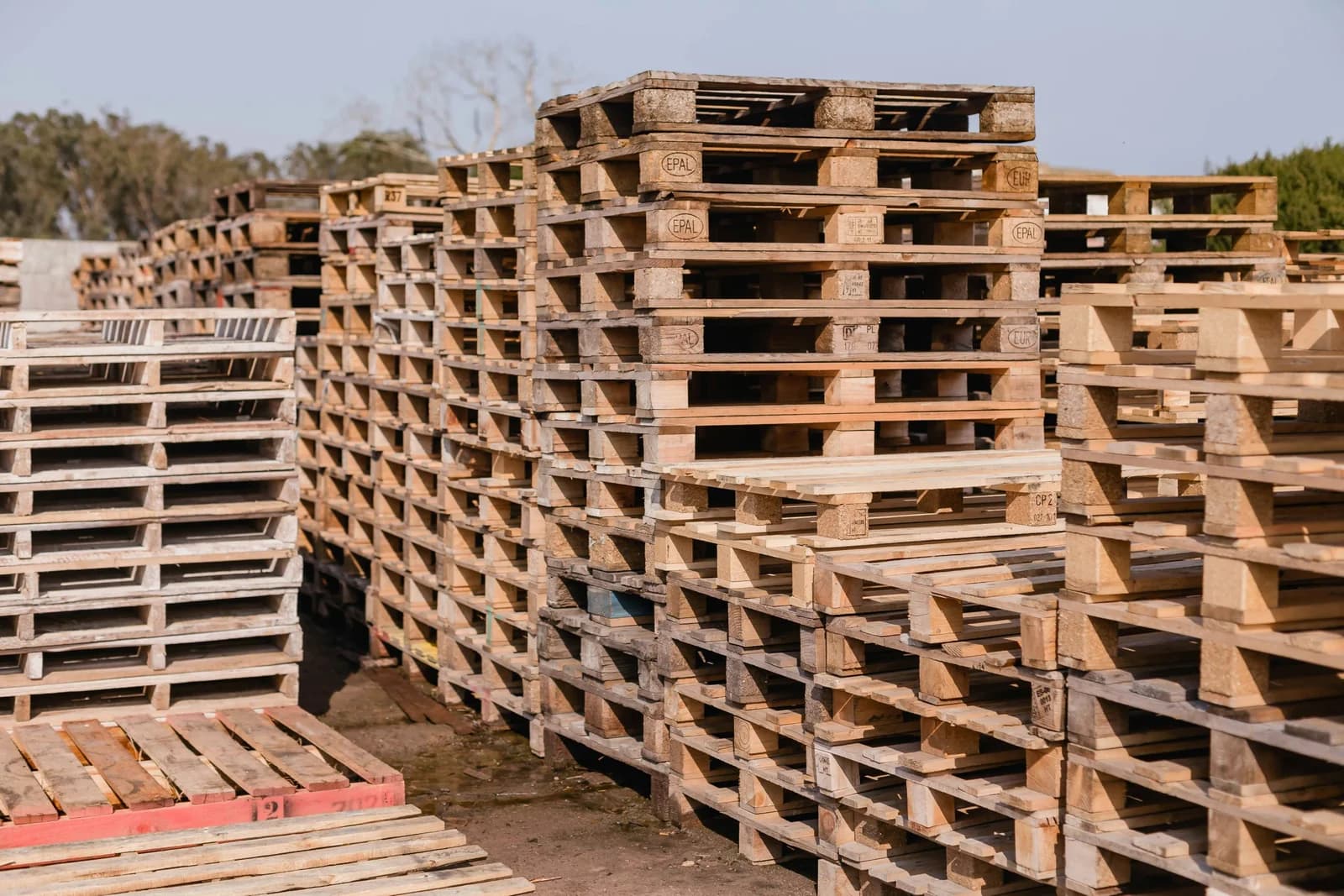
Pallet waste rarely becomes a problem overnight. It builds gradually, a stack of broken pallets behind the dock, a few loads of mixed scrap in the yard, a growing pile of used pallets nobody has time to sort. Over time, what looks like a minor housekeeping issue becomes a real operational cost.
For warehouses, manufacturers, and distribution centers, reducing pallet waste is not just about cleaning up space. It affects disposal fees, labor efficiency, inventory visibility, safety, and how often you need to buy replacement pallets.
The good news is that most pallet waste problems are fixable with practical process changes. You do not need a complete operational overhaul. You need a repeatable system that separates usable pallets from scrap, improves recovery, and prevents avoidable losses.
This guide breaks down the most effective steps to lower pallet disposal and improve recovery rates.
Why Pallet Waste Gets Expensive Fast
Pallet waste usually creates costs in more than one place at the same time.
A growing pallet scrap problem can lead to:
- Higher hauling and disposal fees
- Less usable yard and dock space
- More labor is spent moving or sorting piles
- Lower visibility into usable pallet inventory
- More frequent purchases of replacement pallets
- Greater risk of safety incidents from unstable stacks
In other words, pallet waste is not just a waste issue. It is an efficiency issue.
Step 1: Separate Reusable, Repairable, and Scrap Pallets Immediately
One of the most common reasons pallet waste grows out of control is simple: everything gets stacked together.
When reusable pallets are mixed with broken pallets and scrap wood, teams lose track of what still has value. Good pallets get thrown away. Scrap piles get bigger than necessary. Inventory counts become inaccurate.
A better system is to create three clear categories:
Reusable pallets
These are ready for shipping or internal use with no repair needed.
Repairable pallets
These have minor issues, such as a damaged board or loose fasteners, but can still be restored.
Scrap pallets
These are no longer safe or economical to repair and should be recycled or removed.
This one change improves recovery rates almost immediately because it stops usable material from getting buried inside waste piles.
Step 2: Stop Treating Every Damaged Pallet as Disposal
A pallet does not need to look perfect to remain valuable.
Many operations throw away pallets that could still be:
- Reused as-is for lower-risk applications
- Repaired for continued outbound use
- Broken down for usable lumber recovery
The key is to build a mindset around recovery, not automatic disposal.
Instead of asking, “Can we throw this away?” ask:
- Can this pallet still be used safely?
- Can it be repaired cost-effectively?
- Can part of it be reclaimed or recycled?
Reducing pallet waste starts with changing that decision-making process.
Step 3: Create a Regular Pickup or Removal Schedule
Pallet waste becomes unmanageable when removal only happens after the yard is already full.
When pickup is inconsistent, operations usually end up with:
- Overflowing pallet stacks
- Emergency cleanup requests
- Lost staging space
- More forklift movement just to work around clutter
A scheduled pickup system is much more effective. Depending on volume, that might mean:
- Weekly pickup
- Bi-weekly pickup
- A fixed threshold that triggers removal
Regular pickup keeps pallets flowing out of the yard before they become a space problem. It also makes recovery easier because material gets sorted before it has time to deteriorate further.
Step 4: Add a Basic Repair Process
If every slightly damaged pallet goes straight to scrap, waste rates will stay high.
A simple repair process can significantly improve recovery. Common repairs include:
- Replacing cracked deck boards
- Refastening loose boards
- Reinforcing minor stringer damage
- Removing unsafe nails and re-securing components
This does not necessarily mean building a full in-house pallet repair shop. For some operations, it means:
- Setting aside repairable pallets in a separate zone
- Repairing a small number internally
- Working with a supplier or recycling partner to recover and repairable inventory
The goal is to extend usable life before replacement becomes necessary.
Step 5: Improve Handling to Prevent Unnecessary Breakage
A large percentage of pallet waste is created during normal handling, not during shipping.
Common causes of avoidable pallet damage include:
- Forks are entering too aggressively
- Dragging pallets instead of lifting them cleanly
- Overloading pallets beyond their intended strength
- Using weak or mismatched pallets for heavy loads
- Poor stacking practices in yard storage
Reducing pallet waste means preventing damage before it happens.
Small training improvements can make a measurable difference:
- Encourage slow, square forklift entry
- Match pallet type to load weight
- Avoid using damaged pallets “one more time.”
- Stack pallets evenly to reduce collapse risk
Less breakage means less waste and fewer replacement purchases.
Step 6: Standardize the Pallets You Use
Too many pallet types often lead to more waste.
When a facility uses a wide mix of sizes, grades, and designs, several things happen:
- Sorting becomes more difficult
- Reuse options become less clear
- Some pallets are rejected just because they do not fit the next job
- Repair and recycling become less efficient
Standardizing around a smaller group of pallet sizes and grades improves:
- Reuse opportunities
- Inventory visibility
- Repair consistency
- Supplier coordination
For many operations, reducing variation is one of the easiest ways to reduce pallet waste.
Step 7: Measure Waste and Recovery Rates
You cannot improve what you do not track.
At minimum, monitor:
- Number of pallets disposed of each week or month
- Number of pallets recovered for reuse
- Number of pallets sent for repair
- Volume of scrap wood removed
- Replacement pallet purchases over time
These numbers help answer important questions:
- Are breakage rates increasing?
- Are reusable pallets getting lost in scrap?
- Is the pickup frequency too low?
- Are teams improving recovery or just moving waste around?
Even a simple spreadsheet can reveal patterns that help reduce waste quickly.
Step 8: Use Recovery Programs to Bring Pallets Back Into Circulation
A lot of pallet waste is not created onsite; it happens because pallets leave the network and never return.
Pallets sent to:
- Customer locations
- Retail sites
- Job sites
- Regional warehouses
often remain there until they are discarded or mixed into other waste streams.
A structured recovery program helps by:
- Coordinating return or pickup from outside locations
- Sorting returned pallets by condition
- Recovering reusable units
- Recycling or repairing the rest
Recovery programs reduce both waste and replacement demand, especially for high-volume shippers.
Step 9: Align Waste Reduction With Cost Control
The strongest pallet waste programs are not run as cleanup programs alone. They are run as cost-reduction programs.
Reducing pallet waste lowers costs by:
- Cutting disposal and haul-off fees
- Increasing recovery of usable pallets
- Reducing new pallet purchases
- Lowering yard management labor
- Improving space utilization
When leadership sees pallet waste as an operating cost issue, not just a housekeeping issue, it becomes much easier to support better systems and accountability.
What Good Pallet Waste Reduction Looks Like
A well-run pallet waste program usually has these signs:
- Clear pallet sorting areas
- Regular pickup schedules
- Fewer mixed scrap piles
- Better visibility into usable inventory
- Lower replacement demand
- Cleaner, safer dock and yard conditions
Most importantly, the operation stops reacting to pallet waste and starts controlling it.
Reducing pallet waste is not about doing one dramatic thing. It is about making a series of practical improvements that work together:
- Sort pallets by condition
- Recover repairable inventory
- Schedule regular pickup
- Improve handling practices
- Standardize what you use
- Track what gets wasted and what gets recovered
These steps lower disposal costs, improve recovery rates, and turn pallet management into a more efficient part of the operation.
When pallet waste is controlled, the benefits show up everywhere: cleaner yards, better inventory visibility, fewer emergency buys, and lower total pallet spend.
Cut pallet waste, lower disposal costs, and recover more usable inventory with The Pallet Squad’s pickup and recycling programs.